Cyber-Physics originated as an independent research initiative exploring deterministic governance models for modern cyber infrastructures.
Cyber-Physics investigates deterministic operational governance as an emerging engineering discipline for preserving operational truth, runtime accountability, and evidence continuity within distributed cyber infrastructures.
The research explores how cyber infrastructures may evolve beyond observation and response toward explicit governance and operational stabilization.
The following research figures illustrate the scientific foundations supporting deterministic operational governance, runtime stability, temporal behavior, and enterprise evaluation.
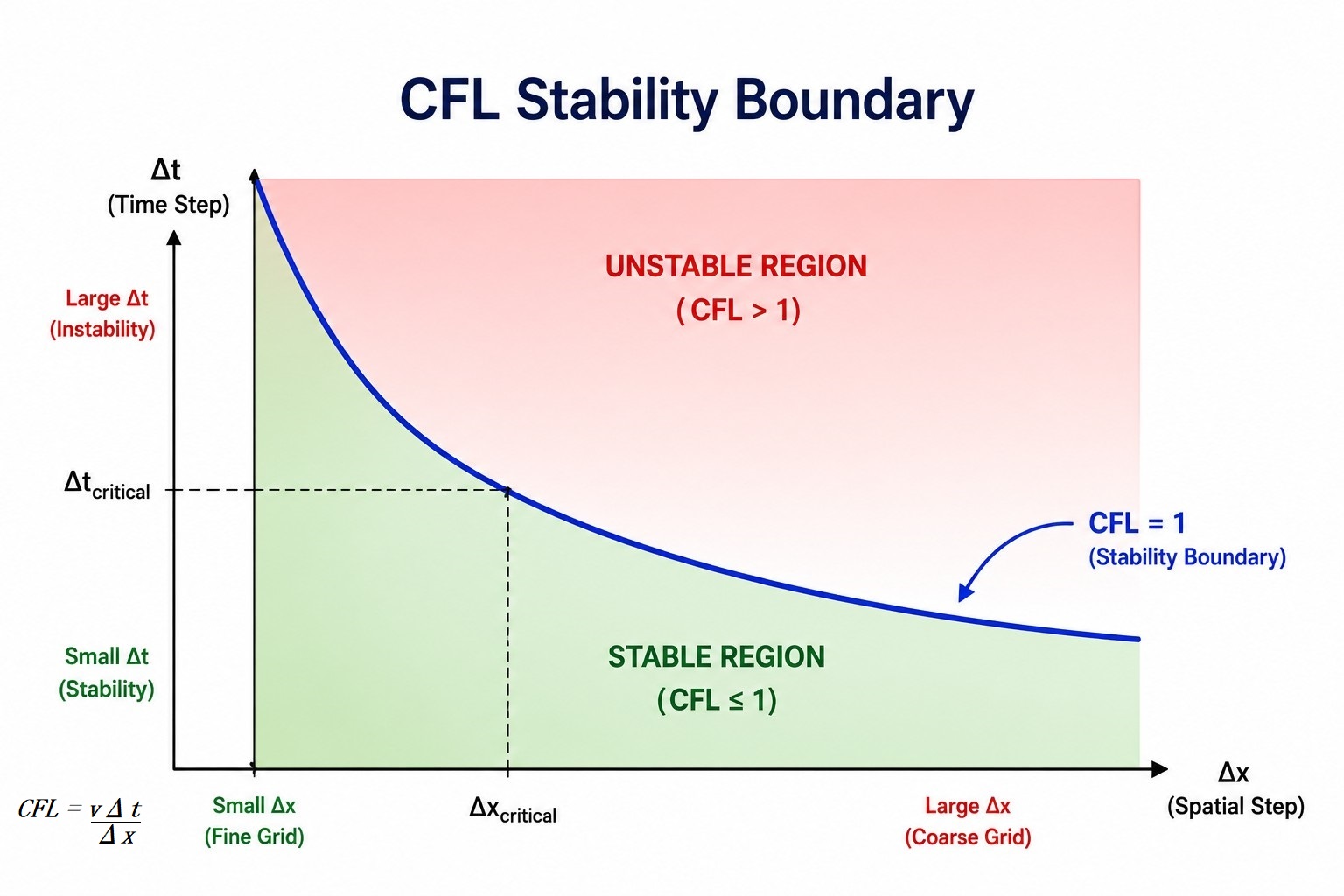
CFL Stability Boundary for deterministic runtime propagation.
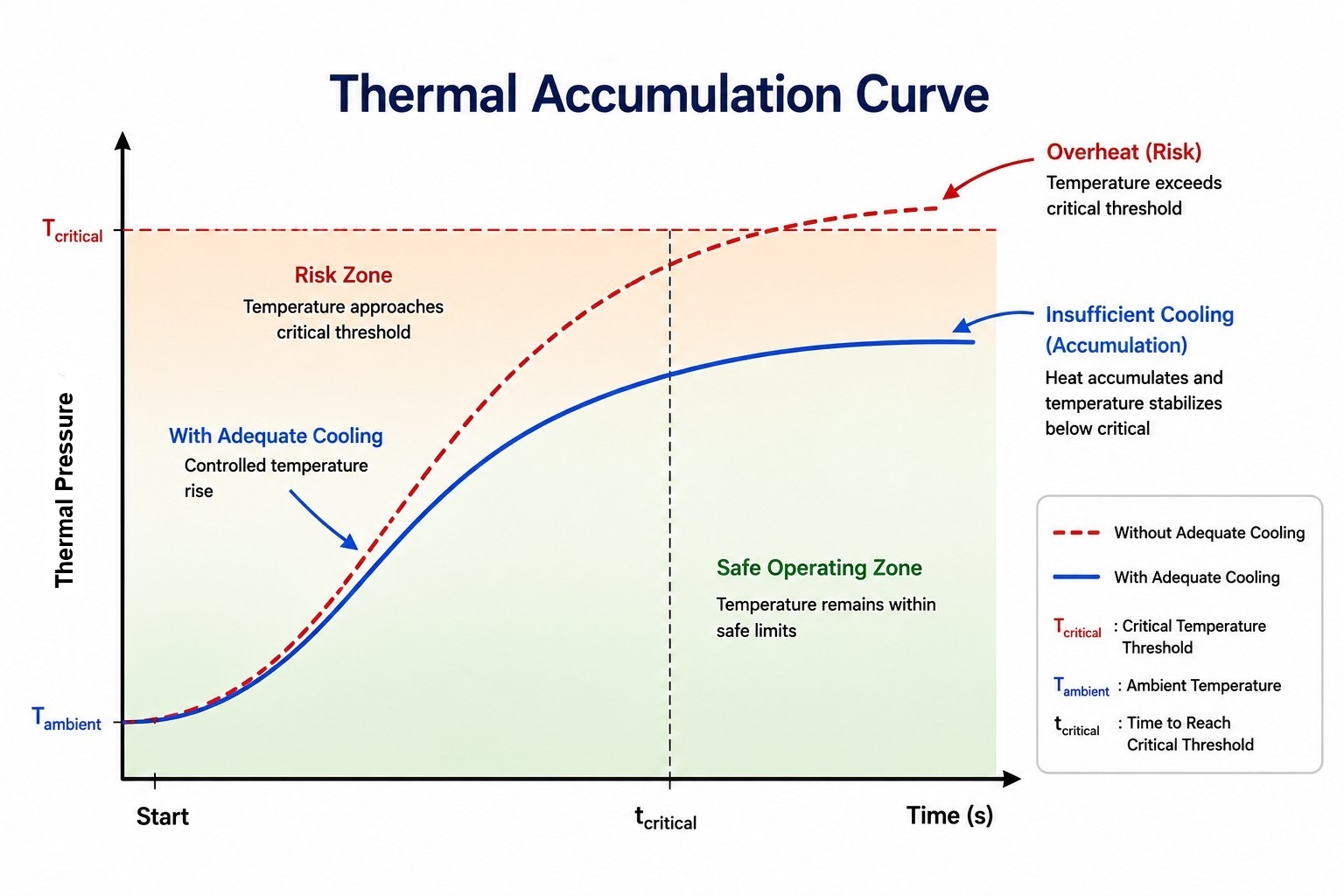
Thermal accumulation model for operational pressure analysis.
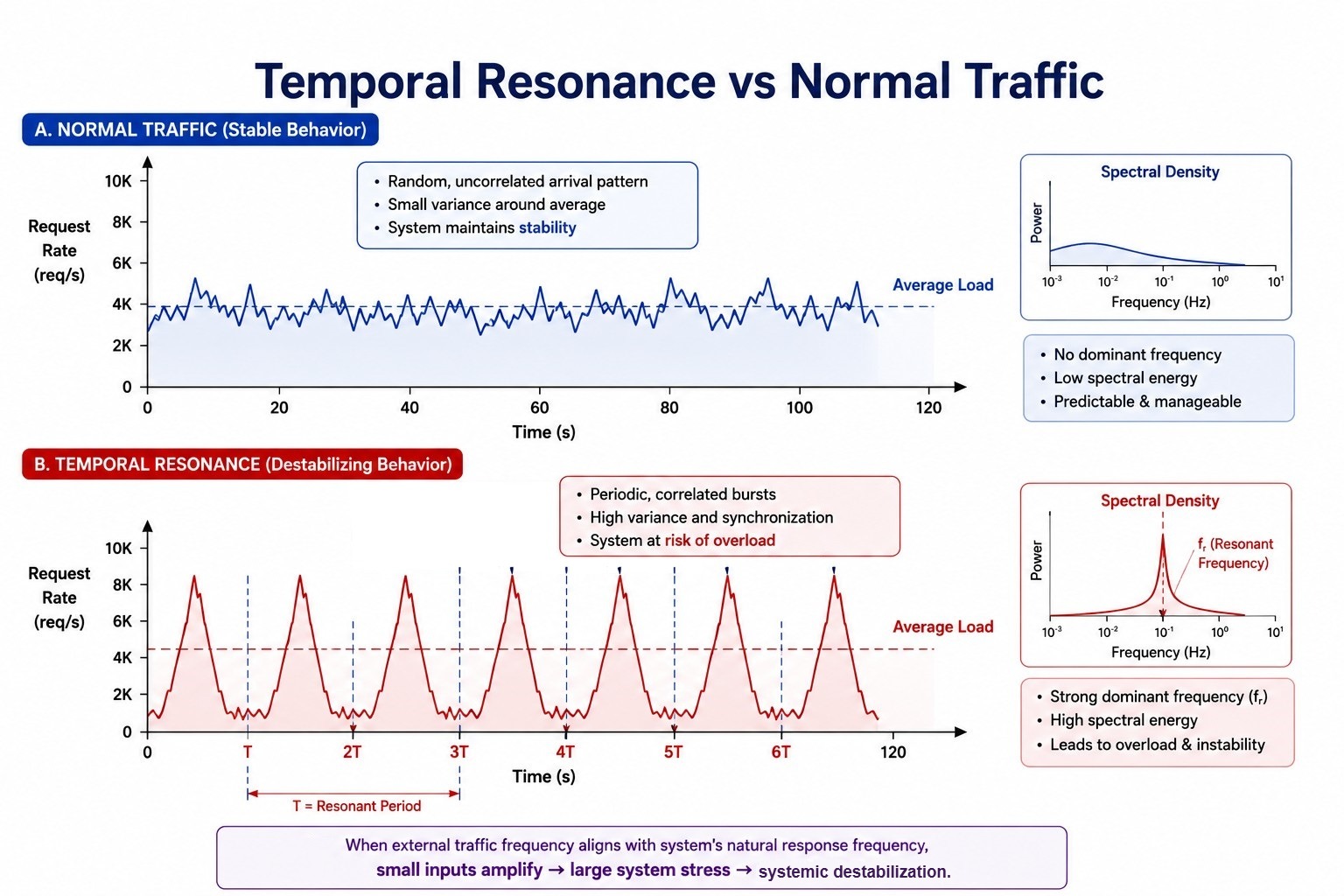
Temporal resonance model for runtime event relationships.
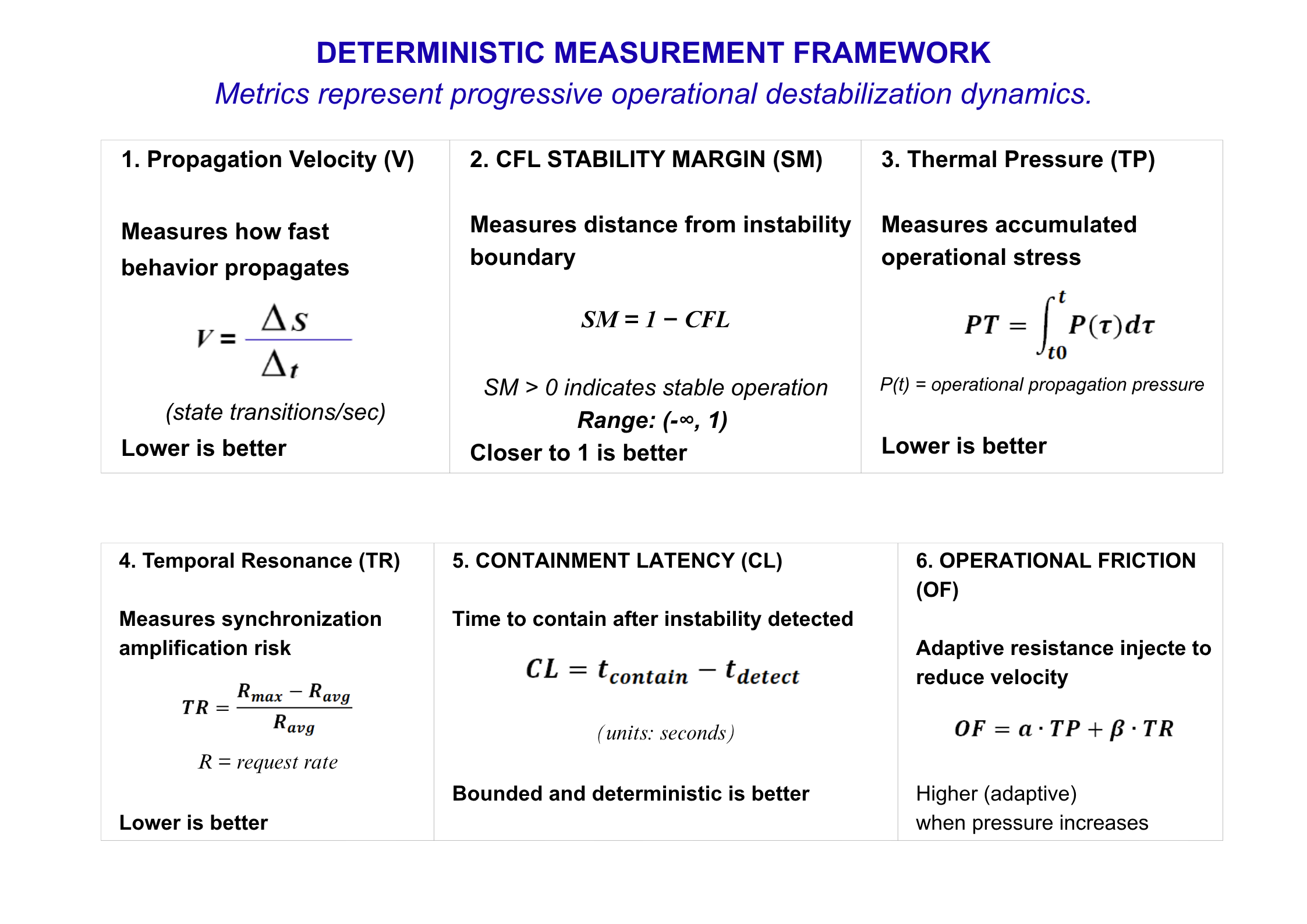
Framework for deterministic runtime measurement and governance.
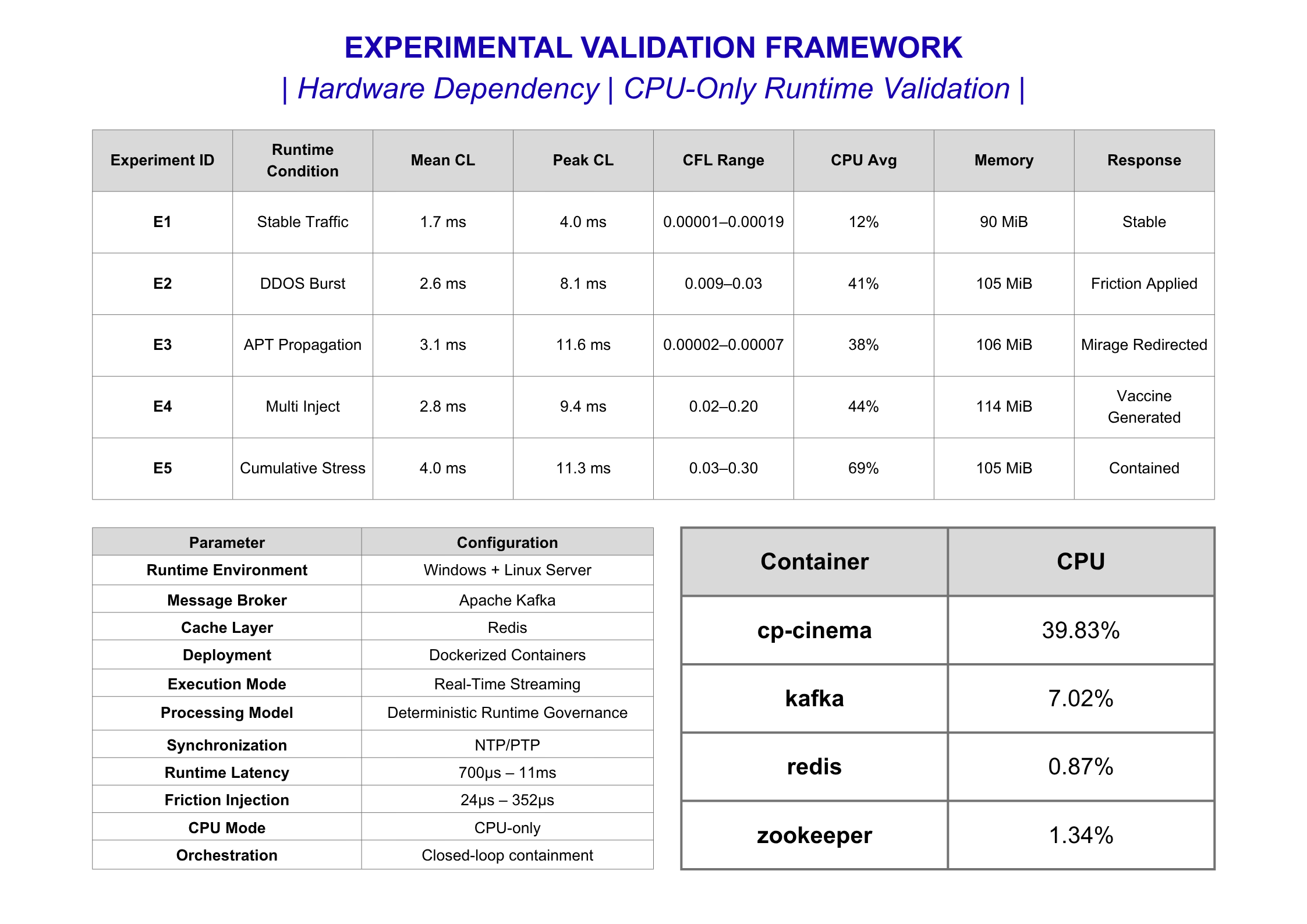
Experimental validation methodology supporting enterprise evaluation.
How can operational truth be preserved during runtime execution?
How can governance remain verifiable over time?
How can governance decisions remain traceable?
How can distributed systems maintain predictable operational behavior?
The Cyber-Physics Technical White Paper presents the conceptual foundations, architecture, runtime model, governance framework, and enterprise vision of the project.
Primary scientific reference describing the Cyber-Physics architecture and deterministic operational governance model.
Technical implementation materials.
Structured enterprise documentation.
Cyber-Physics is protected under the Patent Cooperation Treaty (PCT).
The PCT filing supports the long-term protection of the Cyber-Physics technology while enabling future engineering evaluation and commercial engagement opportunities.
Research Concept
↓
Technical Framework
↓
White Paper
↓
Enterprise Runtime
↓
Enterprise Evaluation Program
↓
Operational Validation
Future research focuses on expanding deterministic operational governance, runtime validation, engineering accountability, enterprise-scale deployment models, and mathematical foundations for next-generation cyber infrastructures.